
For generations, adventure travel was defined by extreme physical feats: scaling untouched mountain peaks, navigating dangerous rivers, or trekking across remote wildernesses. While physical challenge remains a thrilling aspect of exploration, the modern era has redefined what it means to take on an adventure. Today, adventure travel is less about conquering nature and more about intentional engagement, personal growth, and immersive cultural connection.
1. The Mindset Shift in Modern Exploration
To plan an exceptional adventure journey today, it is essential to understand how the spirit of exploration has evolved. Travelers are shifting away from chasing adrenaline for its own sake and moving toward meaningful, transformative experiences.
- From Thrill-Seeking to Skill-Building: Modern adventurers increasingly favor trips that teach them tangible skills, such as wilderness navigation, open-water diving certification, or traditional alpine tracking.
- Purpose over Performance: The goal of a journey is no longer to set records or cross off bucket-list items, but to build resilience, perspective, and self-awareness through challenging environments.
- Symbiotic Discovery: True adventure respects the ecosystems and communities it touches. Travelers seek experiences that protect local environments and actively support regional economies.
2. Fundamental Pillars of a Meaningful Adventure Trip
A successful adventure journey requires careful balance. Thrill without preparation leads to unnecessary risk, while over-planning can destroy the spontaneous spirit of exploration. Ground your itinerary in these five core principles:
A. Intentional Risk Assessment
Safety and adventure are not opposites; they work together. Assessing real environmental risks, knowing your physical limits, and carrying appropriate safety gear ensure that challenges remain empowering rather than dangerous.
B. Deep Environmental Immersion
Step away from tourist-heavy corridors and spend time in natural habitats. Experiencing ecosystems on their own terms—whether coastal waterways, dense forests, or arid plains—fosters a deeper respect for the natural world.
C. Physical and Mental Preparation
Every genuine adventure tests personal endurance. Preparing your body through target fitness and training your mind to handle unexpected delays or changes in conditions pays dividends once you step out into the field.
D. Sustainable Field Ethics
Follow rigorous Leave No Trace principles. Respecting trail boundaries, minimizing single-use waste, and choosing local, eco-certified guides ensure that fragile landscapes remain untouched for future explorers.
E. Meaningful Local Collaboration
The human element is central to any journey. Partnering with indigenous guides and supporting local outfitters enriches your trip with generational wisdom and authentic regional knowledge.
3. Categories of Contemporary Adventure Frameworks
Adventure travel is not one-size-fits-all. Different travelers seek different environments to test their boundaries. Use this overview to identify which adventure style aligns best with your travel goals:
+------------------------+------------------------------------+----------------------------------+
| Adventure Category     | Core Experience                    | Ideal Terrain                    |
+------------------------+------------------------------------+----------------------------------+
| Terrestrial Expeditions| Multi-day trekking, alpine routes  | Mountain ranges, highland valleys|
| Aquatic Explorations   | Kayaking, deep-water diving        | Coastal inlets, wild river systems|
| Cultural Wilderness    | Remote living, traditional tracking| Desert plains, indigenous lands  |
+------------------------+------------------------------------+----------------------------------+
Terrestrial Expeditions
Focusing on land-based challenges, these trips center on multi-day treks, high-altitude hiking, or backcountry camping. They build physical endurance and reward travelers with panoramic views and remote serenity.
Aquatic Explorations
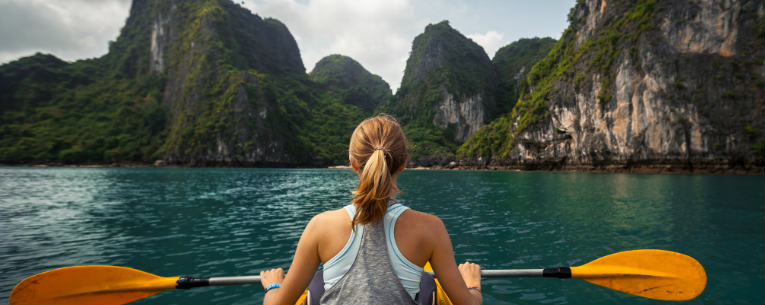
Centering on water-based journeys, this framework includes sea kayaking along rugged coasts, navigating wild rivers, or free-diving in isolated marine reserves. It offers a unique vantage point on coastal habitats and ocean life.
Cultural Wilderness Immersions
Combining remote terrain exploration with deep human connection, these journeys involve living alongside pastoral communities or learning traditional wilderness skills from local elders, blending survival education with cultural exchange.
4. Chronological Checklist for Preparing Your Adventure
Proper field preparation is what separates a successful expedition from a stressful ordeal. Follow this step-by-step checklist to ensure your adventure goes smoothly:
- Twelve Weeks Before Departure: Assess your physical fitness level and start targeted strength and endurance training tailored to your chosen activity.
- Eight Weeks Before Departure: Audit specialist gear, inspect technical footwear, and acquire high-performance clothing suitable for variable weather conditions.
- Four Weeks Before Departure: Confirm all permits, park access passes, certified local guide bookings, and specialized emergency evacuation insurance coverages.
- One Week Before Departure: Review local emergency protocols, download offline topographic maps, test communication devices, and share your detailed itinerary with trusted contacts at home.
Conclusion
Adventure travel is ultimately a personal journey of discovery. By stepping out of familiar comfort zones and engaging thoughtfully with wild environments and local cultures, travelers gain more than just stories—they return home with renewed resilience, broader perspectives, and a deeper respect for the planet. True adventure does not require reckless danger; it simply demands an open mind, proper preparation, and the willingness to explore the unknown.