Evolution of The Word Picnic: From Aristocratic Potlucks to Modern Escapes

When we hear the word picnic, our minds instantly picture a red-and-white checkered blanket spread across green grass, a woven basket filled with sandwiches, and a relaxed afternoon spent outdoors. Today, picnics represent casual leisure and a simple connection with nature. However, the linguistic journey of the word picnic reveals a rich history deeply rooted in European social dining, aristocratic indoor gatherings, and shifting cultural traditions across centuries.
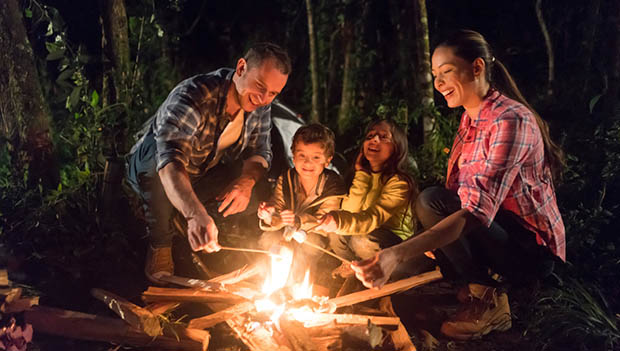
1. Etymological Roots: The French Pique-Nique

To trace the origins of the word, we must look back to late seventeenth-century France, where the term first emerged in print as pique-nique.

  • Piquer (To Peck or Pick): The first component stems from the French verb piquer, meaning to peck at small bits of food or pick at dishes casually.
  • Nique (A Thing of Little Value): The second element, nique, was a colloquial rhyming term meaning a trifling or insignificant

Read more Continue Reading

Redefining Adventure Travel: A Modern Guide to Purposeful Exploration

For generations, adventure travel was defined by extreme physical feats: scaling untouched mountain peaks, navigating dangerous rivers, or trekking across remote wildernesses. While physical challenge remains a thrilling aspect of exploration, the modern era has redefined what it means to take on an adventure. Today, adventure travel is less about conquering nature and more about intentional engagement, personal growth, and immersive cultural connection.

1. The Mindset Shift in Modern Exploration

To plan an exceptional adventure journey today, it is essential to understand how the spirit of exploration has evolved. Travelers are shifting away from chasing adrenaline for its own sake and moving toward meaningful, transformative experiences.

  • From Thrill-Seeking to Skill-Building: Modern adventurers increasingly favor trips that teach them tangible skills, such as wilderness navigation, open-water diving certification, or traditional alpine tracking.
  • Purpose over Performance: The goal of a journey is no longer to set records or cross off bucket-list items,
Read more Continue Reading

Redefining Luxury on a Budget for Cheap Holidays

In the collective imagination, the word “holiday” often conjures images of exorbitant hotel bills, overpriced cocktails, and years of savings evaporating in a single week. However, as we navigate the travel landscape of 2026, a new paradigm has emerged. The “Cheap Holiday” is no longer synonymous with poor quality or discomfort. Instead, it has become a badge of honor for the savvy explorer who knows how to leverage technology, timing, and local knowledge to experience the world without financial strain.

Traveling on a budget is an art form that prioritizes authentic experiences over manufactured luxury. It is about discovering that a sunset on a public beach in Albania can be just as breathtaking as one from a private villa in Ibiza, often with a much more interesting story to tell.


The Architecture of a Budget-Friendly Trip

The secret to a successful cheap holiday lies in the foundation. Most … Read more

Continue Reading

A Strategic Guide to Modern Vacation Planning

The transition from the daily grind to a blissful getaway rarely happens by accident. While the idea of spontaneous travel—simply showing up at an airport and picking a destination—sounds romantic in cinema, the reality of 2026 travel demands a more calculated approach. With fluctuating global economies, the rise of “slow travel,” and the increasing demand for sustainable tourism, vacation planning has evolved from a simple chore into a sophisticated craft.

Effective planning is the bridge between a stressful trip filled with logistical nightmares and a rejuvenating experience that stays with you for a lifetime. This guide explores how to architect your perfect vacation, balancing the thrill of discovery with the security of a well-thought-out itinerary.


Phase One: Defining the “Why” Before the “Where”

Most travelers make the mistake of choosing a destination based on a trendy social media post before asking themselves what they actually need from their time … Read more

Continue Reading

Navigating the World with Wiki-Based Travel Guides

In the golden age of the internet, the way we plan our journeys has shifted from heavy paperbound books to real-time, community-driven digital platforms. Among the most influential tools in a modern traveler’s arsenal are wiki-based travel guides. Unlike traditional travel magazines that often focus on glossy advertisements and high-end luxury, wiki travel platforms—most notably Wikivoyage and Wikitravel—rely on the collective wisdom of thousands of global contributors.

This model of “open-source” travel information has democratized tourism, providing raw, honest, and frequently updated data that can save a traveler time, money, and stress. But how exactly do these platforms work, and why should they be your first stop before booking a flight?


The Philosophy of Community-Driven Travel

The core concept of a wiki travel guide is simple: “by travelers, for travelers.” These platforms operate on the same principle as Wikipedia. Anyone with a keyboard and an internet connection can create a … Read more

Continue Reading