
Traveling to the Democratic People’s Republic of Korea (DPRK), commonly known as North Korea, is often described as stepping into an alternate reality. It is a destination that defies conventional tourism norms, offering a glimpse into one of the most secluded and tightly controlled societies on Earth. As of early 2025, the landscape of travel to this “Hermit Kingdom” remains a complex tapestry of strict regulations, shifting diplomatic tides, and profound cultural encounters.
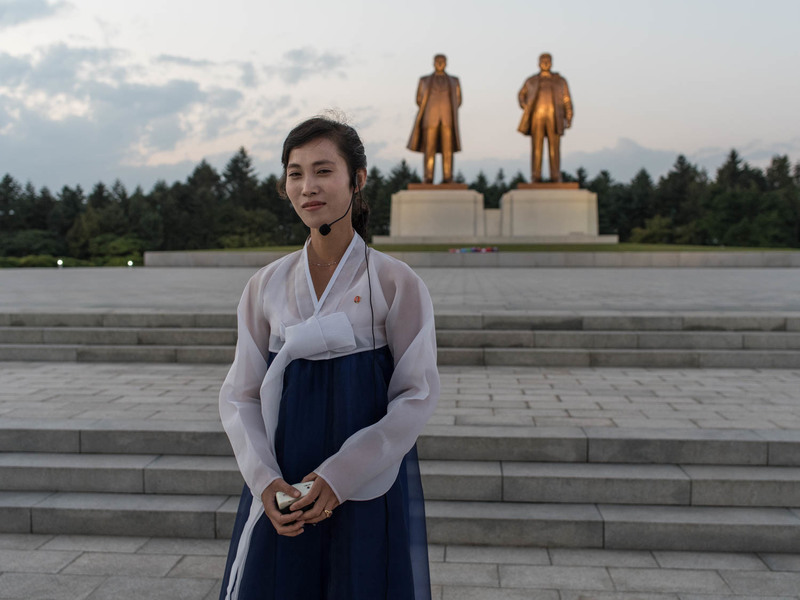
For those curious about what it takes to cross this final frontier, this article explores the current state of North Korean tourism. The rules of engagement, and the ethical considerations of visiting such a unique nation.
The Current Status of Tourism (2026 Update)
As we move through 2025, the question of “can I go?” is met with a nuanced answer. Following the global pandemic, North Korea maintained some of the world’s most stringent border closures. While 2025 saw a brief, experimental opening for select nationalities, the policy has remained largely restrictive.
Currently, the primary gateway for international visitors is through specialized tour arrangements often originating from Russia or China. While there are “flickers of hope” for a wider diplomatic reopening—including potential summits between global leaders—general Western tourism remains heavily curtailed. For most travelers, visiting North Korea in 2026 requires monitoring authorized agencies like Koryo Tours. Or Young Pioneer Tours, which stay in constant contact with the DPRK’s Ministry of Tourism.
The Guided Reality: How Travel Works
In North Korea, the concept of “independent travel” does not exist. Every visitor, regardless of status, is required to be part of a guided tour. From the moment you land at Pyongyang Sunan International Airport or cross the border by train from Dandong. You will be accompanied by two state-sanctioned guides and a driver.
These guides are not just there to show you the sights; they are your translators, your protectors. And the official liaisons between you and the state. Your itinerary is fixed and pre-approved. You will sleep in designated hotels for foreigners—such as the famous Yanggakdo International Hotel—and eat at approved restaurants. While this level of supervision can feel restrictive, it is the only legal way to experience the country.
Essential Rules and Etiquette
Visiting North Korea is not a typical holiday; it is an exercise in cultural sensitivity and strict adherence to local laws. Mistakes that might be minor elsewhere can have severe consequences here.
- Respect for the Leadership: The Kim dynasty is central to North Korean life. Visitors are expected to show respect at monuments and statues, which often includes bowing and laying flowers.
- Photography Restrictions: You are generally allowed to take photos. But your guides will tell you when to put the camera away. Photography of military personnel, construction sites, or scenes that could be interpreted as showing poverty is strictly prohibited.
- Digital Isolation: Do not expect to find Wi-Fi. While you can sometimes purchase a local SIM card with restricted data, most travelers remain “off the grid” for the duration of their stay.
- Restricted Items: Bringing religious literature, political propaganda. Or media critical of the North Korean government is illegal and can lead to detention.
Key Landmarks: What You Might See
If you are among the few who gain entry, the sights are truly like nowhere else on the planet.
Pyongyang: The Showcase Capital
The capital is a city of grand monuments and socialist architecture. Highlights often include the Mansudae Grand Monument. The towering Juche Idea Tower, and the Pyongyang Metro. which is among the deepest and most ornately decorated subway systems in the world.
The DMZ: The World’s Most Fortified Border
A trip to the border town of Kaesong allows visitors to see the Demilitarized Zone (DMZ) from the northern side. Standing at Panmunjom, where the North and South face each other, is a sobering reminder of the ongoing division of the Korean Peninsula.
Mount Paektu and Samjiyon
For those on longer, specialized tours, the northern regions offer stunning natural beauty. Mount Paektu, an active volcano and the highest peak on the peninsula, is considered a sacred site for all Koreans and a central figure in North Korean revolutionary lore.
The Ethics of Visiting
The decision to visit North Korea is often met with ethical debate. Critics argue that tourism dollars support a repressive regime and that the tours are “Potemkin” experiences designed to hide the reality of life for the average citizen.
Proponents of travel, however, suggest that “engagement tourism” provides a rare bridge between the outside world and the North Korean people. It allows locals to see foreigners as human beings rather than the caricatures often presented in state media. And it gives travelers a chance to see beyond the headlines.
Conclusion: A Journey of Perspective
Traveling to North Korea is a deeply personal and often polarizing experience. It is a journey that requires immense preparation. A willingness to follow rigid rules, and a high degree of emotional intelligence. In 2026, it remains one of the few places on Earth where you can truly feel the weight of history and the complexity of modern geopolitics in every step you take.
For the intrepid traveler, the DPRK offers more than just sightseeing; it offers a profound challenge to one’s own worldview. It is a destination that leaves you with more questions than answers, and a memory that will likely stay with you for a lifetime.
Would you like me to draft a sample packing list or a guide on the specific visa application process for North Korean tours?